
Cupping Therapy Mount Waverley: TCM Origins, Dry vs Wet Cupping Benefits, and What to Expect in 2026
By Andrew Lipman, Lipman Clinic Health and Wellness Centre
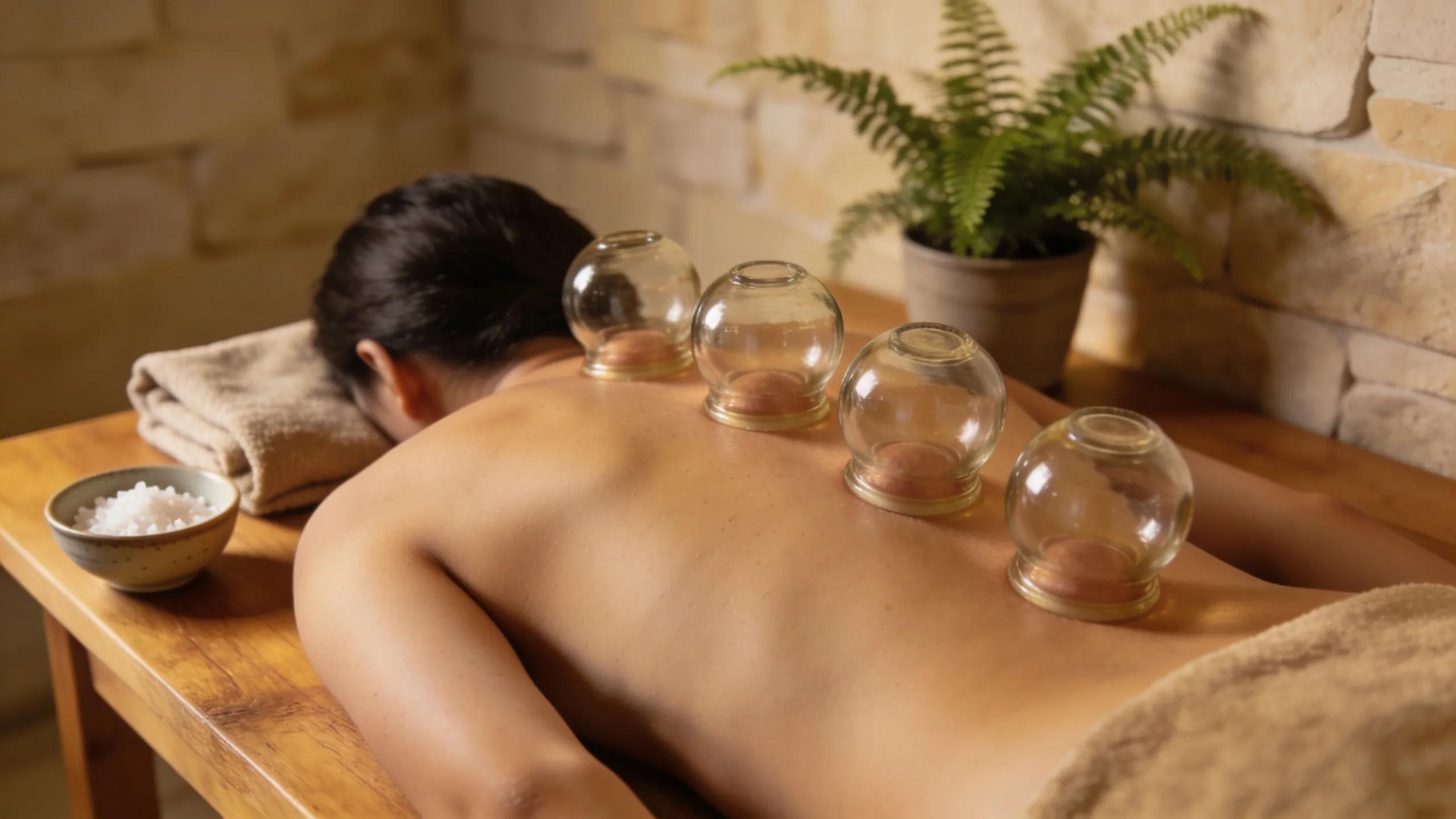
Cupping therapy is an ancient practice originating from Traditional Chinese Medicine (TCM), known for its healing properties and effectiveness in pain relief. This guide explores the history, techniques, and growing popularity of cupping therapy in Mount Waverley, helping you understand what to expect in 2026. As more people explore alternative therapies to support their wellness, cupping therapy offers a natural approach to address various health concerns. This article covers the origins of cupping in TCM, the differences between dry and wet cupping, key benefits, and what happens during your therapy sessions.
What Is Cupping Therapy and How Does It Originate from Traditional Chinese Medicine?
Cupping therapy involves creating suction on the skin using specialised cups to encourage blood flow and aid healing. In Traditional Chinese Medicine, it is believed that cupping helps move energy, known as Qi, improving overall health and wellbeing. This practice has been used for centuries and continues to be a popular wellness treatment today.
How Does Traditional Chinese Medicine Define and Use Cupping Therapy?
In TCM, cupping is a way to balance the body’s energies by promoting circulation and detoxification. Applying cups to certain areas can help release muscle tension, ease discomfort, and support the smooth flow of Qi throughout the body. This ancient method complements holistic health, offering a gentle yet effective approach to healing.
What Are the Historical Roots and Evolution of Cupping in Mount Waverley?
Cupping therapy has a long history dating back thousands of years and has been adapted within many cultures, including here in Mount Waverley. Local practitioners have blended traditional techniques with contemporary health needs, making cupping a trusted option for those seeking natural relief. It remains a valued part of the area’s alternative therapy offerings.
What Are the Differences Between Dry Cupping and Wet Cupping Techniques?
Dry and wet cupping are the two main styles of cupping therapy, each with distinct methods and benefits. Knowing the difference can help you decide which might suit your health and wellbeing goals.
How Is Dry Cupping Performed and What Are Its Common Applications?
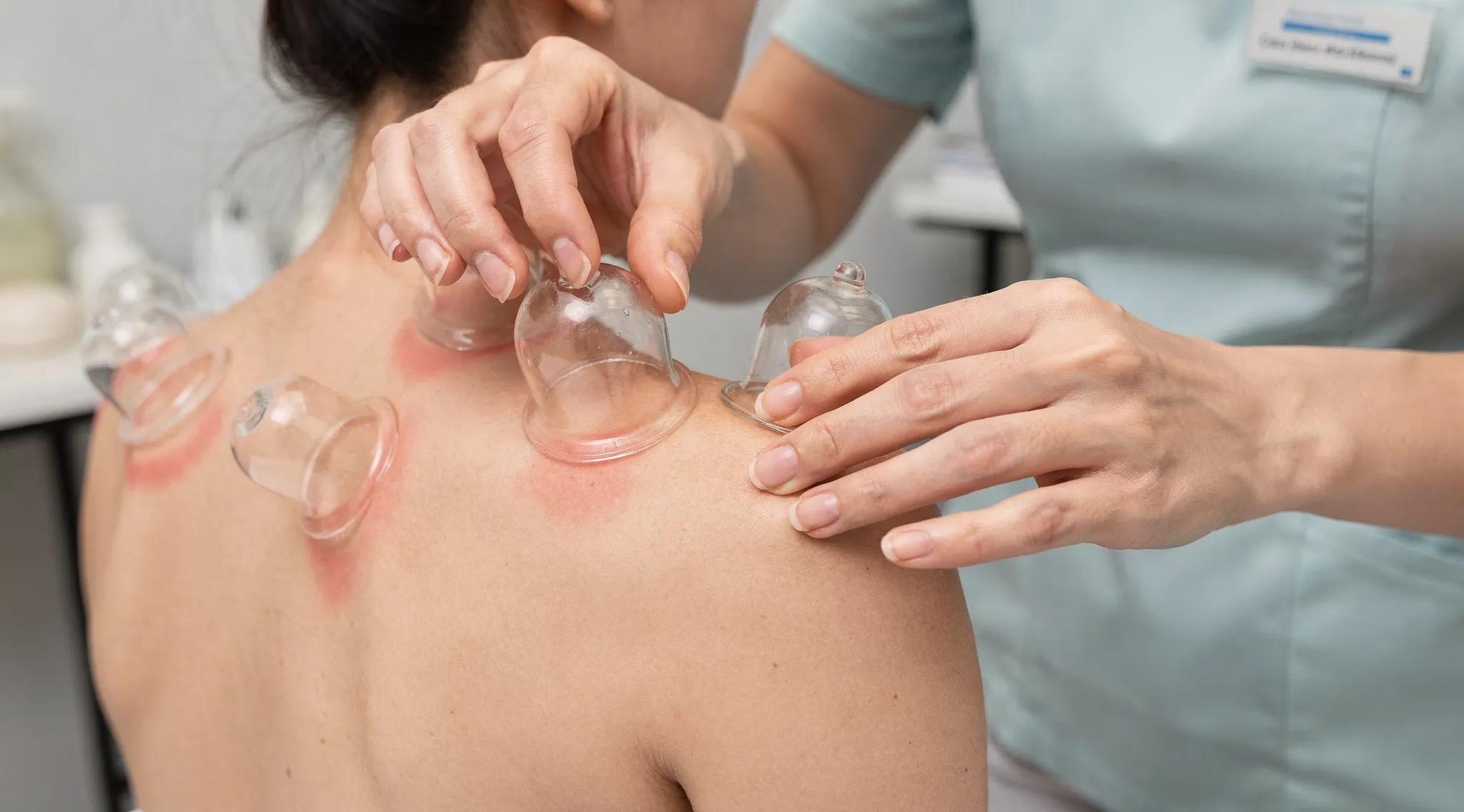
Dry cupping involves placing cups on the skin to create suction without breaking the skin. This technique helps improve blood flow and relieve muscle tightness. It’s commonly used for soothing muscle aches, reducing stress, and enhancing circulation. Many in Mount Waverley opt for dry cupping as a comfortable and non-invasive way to manage tension and promote relaxation.
What Does the Wet Cupping Procedure Involve and What Are Its Considerations?
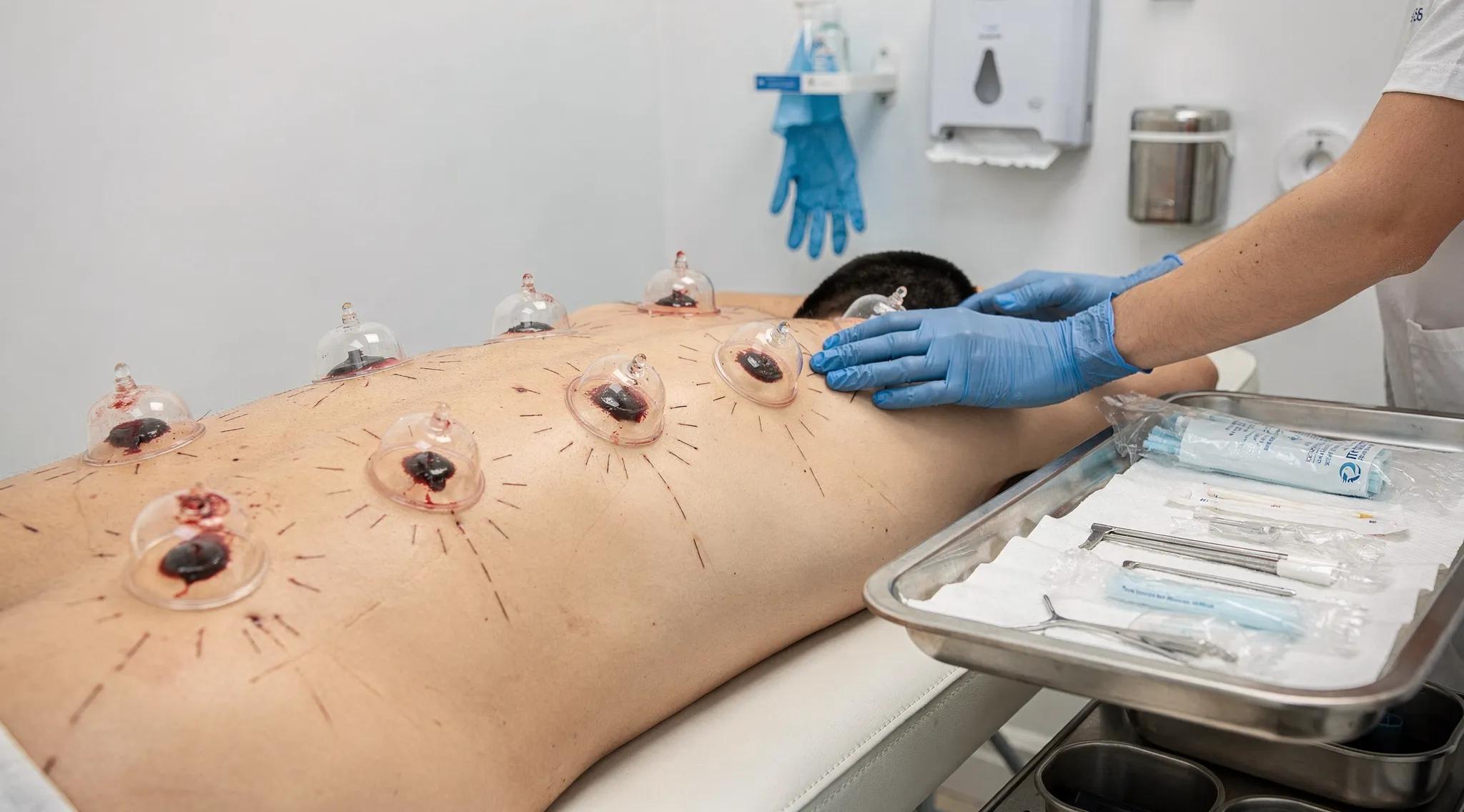
Wet cupping, sometimes called hijama, includes making small, superficial cuts on the skin before applying the cups to draw out some blood and fluids. This method can provide deeper relief, often used for conditions like chronic pain and inflammation. Because it involves minor skin breaks, it’s important to have this treatment from skilled therapists who follow strict hygiene practices and safety guidelines.
What Are the Key Benefits and Safety Guidelines of Cupping Therapy in 2026?
Cupping therapy continues to grow in popularity because of its natural approach to supporting wellbeing. While experiences vary, many find the treatment helpful for easing muscle discomfort, assisting recovery, and promoting a sense of calm.
Which Benefits Can You Expect from Cupping Therapy?
Cupping may help reduce muscle soreness, enhance circulation, and boost recovery from physical activity. After a session, many notice lower stress levels and feeling more relaxed overall.
What Safety Practices Are Recommended Before and After Cupping Sessions?
To get the most from your cupping therapy, it’s good to keep these simple tips in mind:
- Have a Chat: Share any health concerns with your therapist before starting treatment.
- Stay Hydrated: Drink plenty of water to support your body’s natural detox processes.
- Take it Easy: Avoid heavy exercise immediately after your session to allow your body to settle.
Following these easy steps helps you enjoy the benefits of cupping safely and comfortably.
What Should You Expect During and After Your First Cupping Therapy Experience in Mount Waverley?
If you’re new to cupping, it’s natural to wonder about the process. Here’s what a typical first session looks like to help you feel prepared.
How Is a Typical First-Time Cupping Session Conducted?
Your therapist will begin by asking about your health and what you hope to get from the treatment. Cups will then be gently placed on specific areas for about 10 to 15 minutes. You might feel a pulling sensation or warmth where the cups sit. Many people find this soothing and feel less tense afterwards.
What Are Common Physical Responses and Recovery Times?
It’s common to see slight redness or marks where the cups were during the session; these usually fade within a few days. Some feel warmth and deep relaxation, and mild tiredness is normal as your body adjusts. Everyone responds differently, but regular sessions may support ongoing wellbeing.
Who Are the Best Cupping Therapy Specialists in Mount Waverley and How to Choose Them?
Picking a skilled therapist is key for a safe and positive experience. Here are a few tips to help you find the right practitioner:
What Qualities Should You Look for in a Cupping Therapist?
Look for therapists who are properly trained and certified in cupping and Traditional Chinese Medicine. Hearing from other clients through testimonials or word-of-mouth can also be reassuring.
Where Can You Find Trusted Clinics and Book Sessions?
You can find reputable therapists in local health directories, wellness centres, or through community recommendations. Many clinics offer easy booking online or over the phone.
How Do Dry and Wet Cupping Compare: Procedure, Benefits, and Preferences?
Understanding the differences between dry and wet cupping can help you choose the best fit for your needs.
What Are the Advantages and Considerations of Dry vs Wet Cupping?
- Dry Cupping: A gentle, non-invasive option that provides muscle relief and relaxation with little to no downtime.
- Wet Cupping: A more intensive approach targeting deeper issues and detoxification, suitable for certain chronic conditions and usually accompanied by specific aftercare.
Discuss what’s best for you with your therapist based on your personal health goals.
Which Method Might Suit Different Health Goals?
- Dry Cupping is often the go-to for general muscle tension and stress relief.
- Wet Cupping might be suggested for more persistent or deeper concerns requiring detoxification.
Your comfort and health needs should guide your choice alongside professional advice.
Exploring other traditional therapies such as acupuncture and holistic approaches can also support your wellness journey here in Mount Waverley.
Leave a Reply